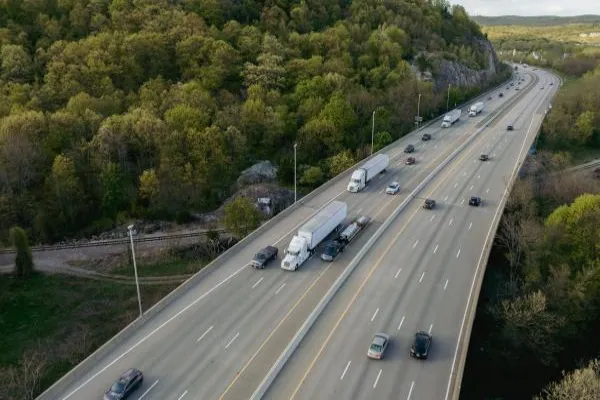



Real-time coaching, coupled with driver scorecards, can allow fleet managers to monitor and build an efficient, safe fleet. - H2
Real-time coaching, coupled with driver scorecards, can allow fleet managers to monitor and build an efficient, safe fleet. - H3
Real-time coaching, coupled with driver scorecards, can allow fleet managers to monitor and build an efficient, safe fleet. - H4
Real-time coaching, coupled with driver scorecards, can allow fleet managers to monitor and build an efficient, safe fleet. - H5
Real-time coaching, coupled with driver scorecards, can allow fleet managers to monitor and build an efficient, safe fleet. - H6
One telematics feature that complements driver scorecards is in-cab driver coaching. Some companies offer third-party services to provide drivers with real-time feedback on potentially hazardous driving situations. Other fleet managers opt to handle this type of feedback in-house. This means having a designated manager monitor vehicles in your fleet. When hazardous driving situations emerge, such as harsh braking, tight cornering or intense acceleration, fleet managers can check in with drivers in real time to ensure they’re taking the proper precautions.

Real-time coaching, coupled with driver scorecards, can allow fleet managers to monitor and build an efficient, safe fleet.
Vehicle maintenance and monitoring
In addition to employing driver-based tools for fleet safety, it’s essential to provide safe and efficient vehicles. Telematics solutions allow fleet managers to dial in on vehicle maintenance and reporting. By tracking data such as fuel efficiency, repair history and status and obtaining general vehicle maintenance reports, companies can build safe fleets that start with safe trucks. [Read next: How to Reduce Fleet Maintenance Costs]
Telematics also allows for predictive maintenance, Mitchell notes, by tracking key parameters, such as tire pressure and engine performance, as well as monitoring mileage and engine hours. Beyond safety, this helps reduce downtime by alerting managers of potential critical issues and safety risks.
“A great example is Verizon Connect’s Reveal, which is part of a California pilot program that allows government vehicles to submit telematics data directly to the Bureau of Automotive Repair,” said Mitchell. “This bypasses the need for physical smog tests, saving time and keeping vehicles on the road.”
By monitoring vehicle health and maintenance, you ensure that every vehicle your drivers use are both safe and fuel efficient. Prioritizing metrics such as tire pressure and fuel levels can give companies a targeted view of a fleet’s condition and safety at any time.